Glass damage is easy to ignore at first. A small crack or chip might not seem urgent, but over time it can become a bigger problem. Knowing whether to repair or replace residential glass helps you avoid unnecessary costs and keeps your home safe and efficient.
If you’re unsure what to do, you’re not alone. Many homeowners face the same question. The answer usually depends on the type of damage, the condition of the glass, and how the window or door is performing overall.
Understanding the Difference Between Repair and Replacement
Glass repair focuses on fixing minor damage while keeping the existing glass in place. This might include sealing small cracks or addressing issues around the edges.
Glass replacement means removing the damaged glass entirely and installing new material. This is typically needed when the damage affects the glass’s strength or performance.
So how do you know which one makes more sense for your home?
When Glass Repair Is the Right Choice
In some cases, a repair is all you need. It’s often faster and more cost-effective when the damage is limited.
You may be able to repair your residential glass if:
- The crack or chip is small and not spreading
- The damage is not in your direct line of sight
- The window or glass door is still structurally sound
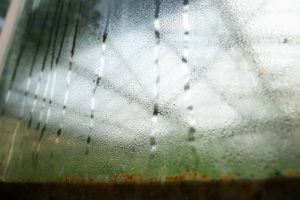
- There is no fogging or moisture between panes
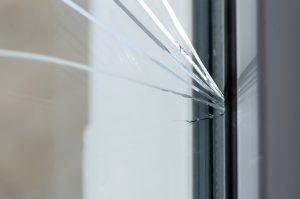
For example, a small chip caused by debris or weather might not impact the overall strength of the glass. In those situations, a simple repair can restore function without replacing the entire unit.
Still, it’s important to act early. Small issues tend to grow, especially with temperature changes or everyday use.
When It’s Time to Replace Residential Glass
Some types of damage go beyond what a repair can fix. When the integrity of the glass is compromised, replacement is usually the safer option.
You should consider glass replacement if:
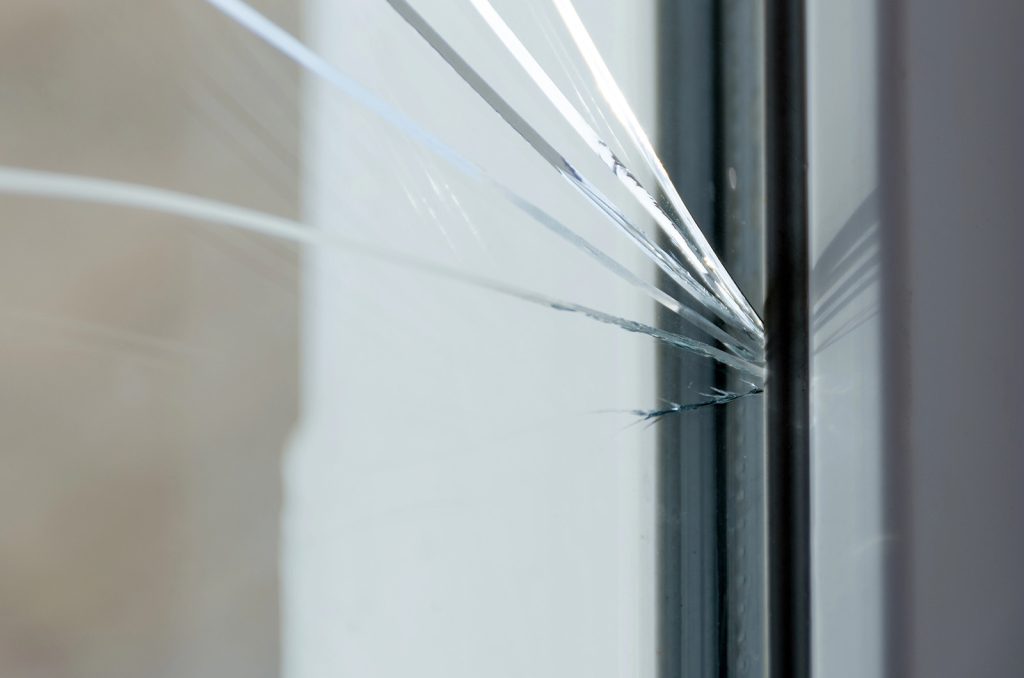
- Cracks are large, deep, or spreading
- The glass feels loose or unstable
- You notice condensation or fog between panes
- The window is drafty or no longer energy-efficient
- The damage affects safety, especially near doors or high-traffic areas
Fogging between panes is a common issue with double-pane windows. It means the seal has failed, allowing moisture to get inside. At that point, repair won’t solve the underlying problem.
If your window is letting in air or causing uneven temperatures inside your home, replacement can also improve energy efficiency. You may notice more consistent comfort after upgrading damaged glass.
Safety Should Always Come First
Damaged residential glass is not just a cosmetic issue. It can create safety risks, especially if the glass is near entryways or areas where people move around often.
Even a small crack can weaken the entire pane. Over time, it becomes more likely to break under pressure or impact. If you have children or pets at home, this risk becomes even more important to consider.
If you’re ever unsure, it’s better to have the glass looked at sooner rather than later.
Cost Considerations
It’s natural to think repair will always be cheaper than replacement. In some cases, that’s true. But not always.
If a repair only delays a larger issue, you might end up paying more in the long run. Replacing the glass at the right time can prevent repeated service calls and additional damage.
The goal is not just to fix the problem today, but to avoid future issues.
Energy Efficiency and Comfort
Your windows do more than let in light. They help regulate your home’s temperature and protect against outside conditions.
Damaged glass can reduce insulation, even if the problem seems minor. You might notice drafts, higher energy bills, or rooms that feel harder to heat or cool.
Replacing inefficient residential glass can help restore proper insulation. It’s a practical way to improve comfort without making major changes to your home.
Why a Professional Assessment Matters
It’s not always easy to tell how serious the damage to glass is just by looking at it. What seems like a small crack on the surface could extend deeper into the pane.
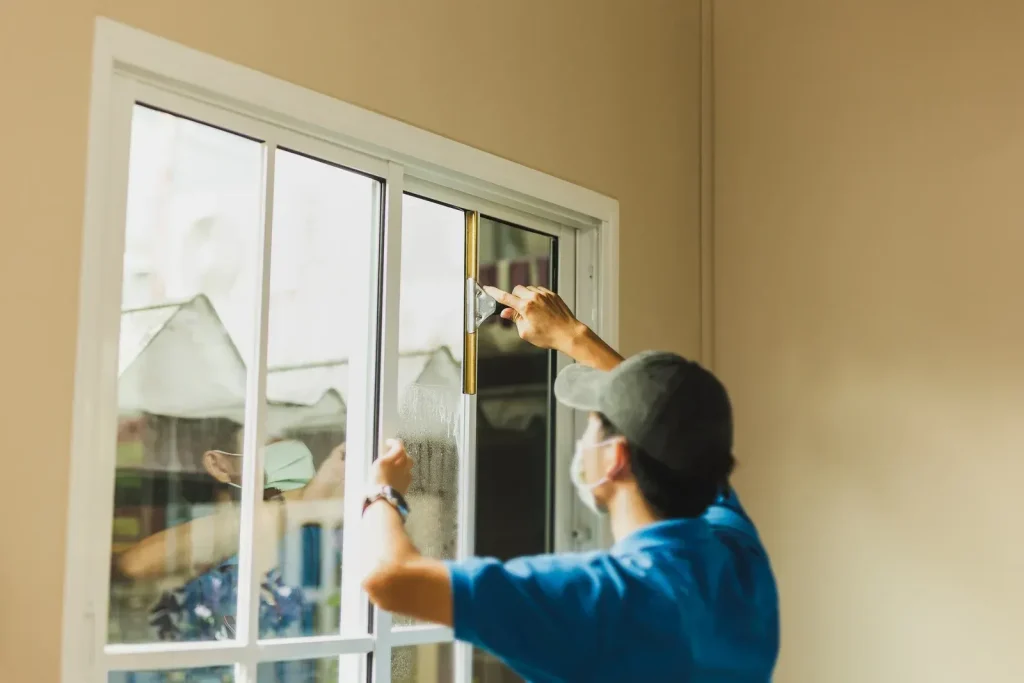
A professional can evaluate the condition of your residential glass and clearly explain your options. That way, you can make a decision based on what actually makes sense for your home.
At Tried and True Glass, we focus on clear communication and honest recommendations. If a repair is enough, we’ll tell you. If replacement is the better option, we’ll walk you through why.
Making the Right Choice for Your Home
There’s no one-size-fits-all answer. Every situation is a little different.
If the damage is minor and the glass is still performing well, repair may be the right move. If the damage affects safety, efficiency, or long-term performance, replacement is usually the better choice.
What matters most is understanding what’s going on and addressing it before it gets worse.
If you’re dealing with damaged residential glass and want a straightforward answer, you can schedule an estimate or request a quote. You’ll get clear guidance without pressure, so you can decide what works best for your home.