Safety glass is required in many parts of a commercial building, especially in high-traffic or high-risk areas. In Denver, these requirements are based on established building codes designed to reduce injury and improve overall safety. If you own or manage a commercial property, understanding where safety glass is needed and how to handle repairs can help you avoid compliance issues and keep your building functioning the way it should.
This is not just about meeting code requirements. It is about protecting people who use your space every day.
What Is Safety Glass and Why Does It Matter
Safety glass is designed to behave differently from standard glass when it breaks. Instead of creating large, sharp shards, it either stays in place or breaks into smaller, less dangerous pieces.
The two most common types used in commercial windows are tempered glass and laminated glass.
Tempered glass is heat-treated to increase its strength. When it breaks, it shatters into small, rounded pieces instead of jagged shards. This reduces the chance of serious injury.
Laminated glass is made by bonding a thin layer of plastic between two pieces of glass. If it breaks, the glass sticks to that inner layer instead of falling apart. This helps hold the structure together and adds an extra level of protection.
Both types are widely used in commercial glass applications because they meet safety standards and perform well in busy environments.
Denver Building Codes and Safety Glass Requirements
Commercial buildings in Denver follow guidelines based on the International Building Code. These rules outline where safety glazing materials are required and how they should perform.
While the exact requirements vary by building type and layout, there are several common areas where safety glass is typically required.
These include:
- Glass in doors and entry systems
- Windows located close to walking surfaces
- Glass panels near stairs, ramps, and landings
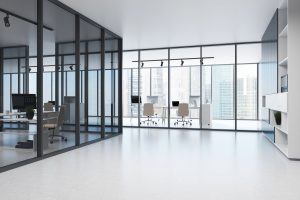
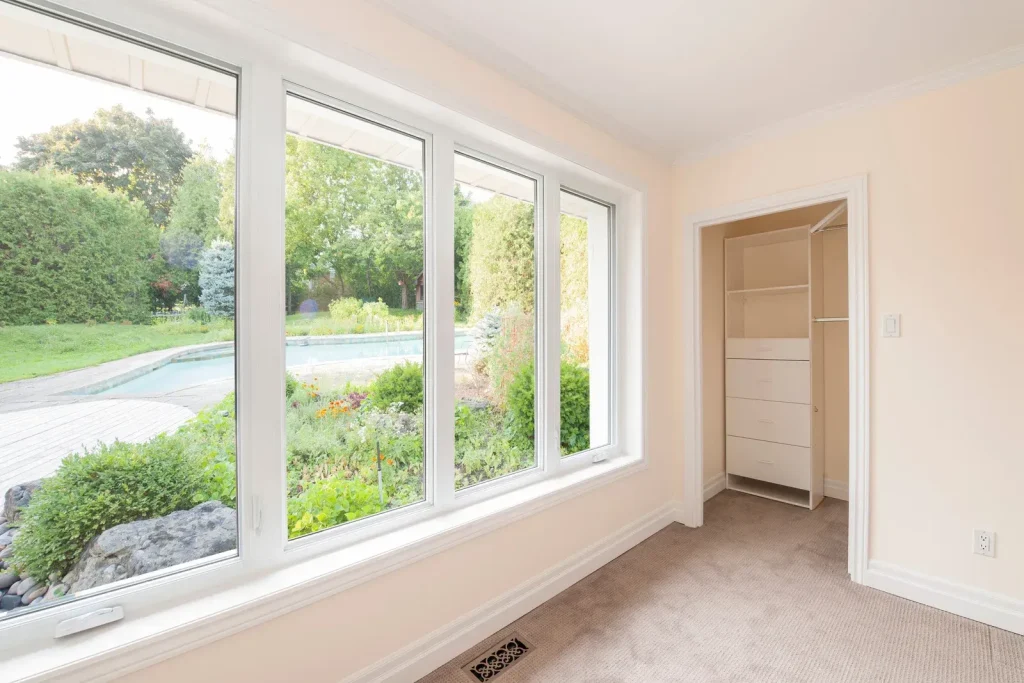
- Large or floor-to-ceiling window sections
- Areas where people are likely to come into contact with glass
These rules exist because certain locations carry a higher risk of accidental impact. For example, a person pushing through a busy entryway or walking near a large window may not realize how close they are to the glass.
If your building is older, there is a chance some glass installations were completed before current standards were in place. That does not automatically mean they are unsafe, but it does mean they should be reviewed.
Common Situations Where Compliance Becomes an Issue
Safety glass requirements often come up during specific moments, not just during construction.
You may run into compliance concerns when:
- Renovating or updating a commercial space
- Replacing damaged or broken windows
- Preparing for inspections or property sales
- Changing how a space is used, such as converting offices or retail layouts
In these situations, existing glass may need to be upgraded to meet current standards. This is where having a clear understanding of your options becomes important.
The Role of Commercial Window Repair
Not every issue means starting from scratch. In many cases, commercial window repair can resolve problems while keeping your building compliant.
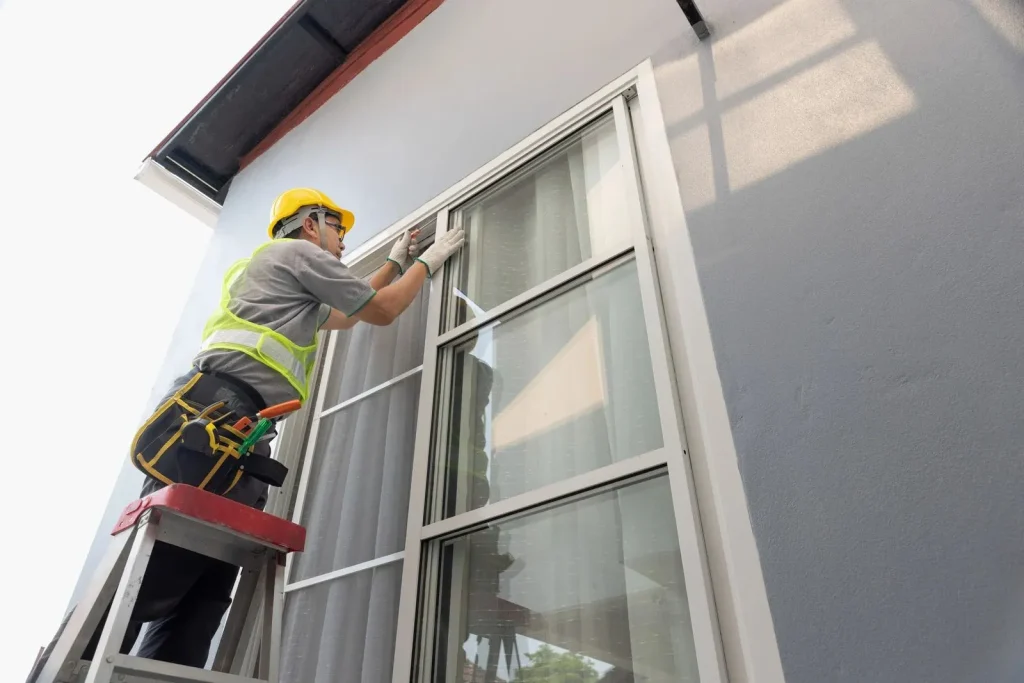
For example, if a window frame is damaged but the glass itself meets safety requirements, repairing the frame may be enough. If a sealed glass unit becomes foggy, replacing the glass panel can restore visibility and performance without replacing the entire window system.
However, if the existing glass does not meet safety standards, replacement with tempered or laminated glass may be necessary. This is especially common in older buildings where standard glass was originally installed in areas that now require safety glazing.
A professional evaluation helps you understand what can be repaired and what should be replaced.
Signs Your Commercial Glass May Need Attention
Some issues are obvious, while others develop gradually over time. Knowing what to look for can help you address problems early.
Keep an eye out for:
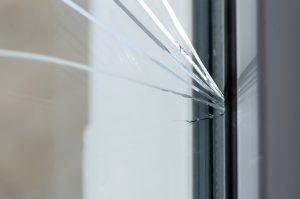
- Cracks, chips, or visible damage in the glass
- Windows that feel loose or unstable
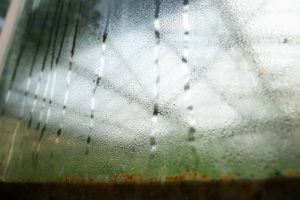
- Fogging between panes, which may indicate seal failure
- Glass installed in high-impact areas that looks outdated
- Drafts or temperature changes near windows
Even small problems can turn into larger repairs if left unaddressed. A quick inspection can often clarify whether the issue is minor or requires more attention.
Safety, Liability, and Long-Term Value
Safety glass does more than meet code requirements. It plays a direct role in reducing liability and protecting the people who interact with your building.
If a person is injured due to broken or non-compliant glass, it can lead to legal and financial consequences. On the other hand, maintaining safe and compliant windows helps create a more secure environment for employees, customers, and visitors.
There is also a long-term value to keeping your glass systems in good condition. Well-maintained commercial windows support energy efficiency, improve appearance, and reduce the likelihood of unexpected repairs.
Repair vs Replacement. How to Decide
One of the most common questions property owners have is whether to repair or replace their commercial windows.
The answer depends on a few key factors:
- Condition of the existing glass
Minor damage may be repairable, while structural issues often require replacement. - Compliance with current safety codes
If the glass does not meet safety requirements, replacement is usually necessary. - Age of the installation
Older systems may benefit more from replacement, especially if multiple issues are present. - Cost over time
In some cases, replacing outdated glass can reduce future maintenance needs.
A straightforward assessment helps you weigh these factors without overcomplicating the decision.
Why Local Experience Matters
Denver’s climate and building standards create specific challenges for commercial properties. Temperature swings, sun exposure, and seasonal weather all affect how glass performs over time.
Working with a local company means you get recommendations that reflect real conditions, not just general guidelines. It also helps ensure that any repair or replacement work aligns with local code requirements.
Clear communication is a big part of this process. You should know what is being done, why it matters, and what to expect next.
Final Thoughts
Safety glass requirements are a key part of maintaining a commercial building in Denver. They help reduce risk, support compliance, and keep your space safe for everyday use.
If you are unsure whether your windows meet current standards, it is worth taking a closer look. Many issues can be addressed with simple repairs, while others may require targeted upgrades.
Understanding the difference can help you make informed decisions without unnecessary work or expense.
If you need help evaluating your commercial windows, you can schedule an estimate or request a quote to get clear, straightforward answers about your next steps.