If you live in Denver, you already know the weather does not play around.
One day it is sunny and 65 degrees. The next morning you are scraping ice off your windshield. Add in hail, strong UV exposure, and dry air, and your windows take a beating year-round.
So what are the best window types for Colorado weather? And how do you know when it is time for window repair versus full window replacement?
Let’s break it down in simple terms.
Why Colorado Weather Is Hard on Windows
Denver’s climate brings a mix of intense sun, freezing winters, and fast temperature swings. Those rapid changes cause materials to expand and contract. Over time, that movement weakens seals, frames, and glass.
And then there is hail. If you have lived here long enough, you have probably seen what one storm can do.
Because of all that, homeowners need windows that handle:
- Strong UV exposure
- Cold winter temperatures
- Dry air and low humidity
- Occasional hail impact
- Energy efficiency demands year-round
If your current windows struggle with drafts or rising energy bills, it may be time to look at energy-efficient windows designed for Colorado conditions.
Double-Pane and Triple-Pane Windows
In Denver, single-pane windows just do not cut it anymore.
Double-pane windows are the standard for modern window replacement. They have two layers of glass with insulating gas sealed in between. That extra layer slows down heat transfer. Your home stays warmer in winter and cooler in summer.
Triple-pane windows go a step further. They add another layer of insulation, which helps in colder climates and for homeowners who want maximum efficiency.
Are they worth it? For many Denver homeowners, yes. The improved insulation lowers energy strain on your HVAC system and helps stabilize indoor temperatures.
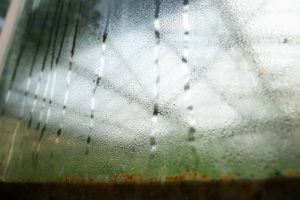
If you are dealing with fog between panes or noticeable drafts, that is often a sign the seal has failed. In that case, window repair may work. But if the window is older, full window replacement usually makes more sense long term.
Low-E Glass for Intense Sunlight
Denver sits at higher elevation. That means more direct UV exposure.
Low-E, or low emissivity, glass has a thin coating that reflects heat while still letting natural light inside. It helps keep interiors cooler during sunny afternoons and reduces fading on floors and furniture.
This is one of the most important features to look for in energy-efficient windows in Colorado. Without it, your air conditioner works harder than it should.
Low-E coatings are now standard in most quality window replacement options. If your current windows do not have it and your home heats up quickly in the summer, that upgrade alone makes a noticeable difference.
Vinyl Windows for Durability
Frame material matters more than most people realize.
Vinyl windows perform well in Denver because they resist moisture damage, do not warp easily, and require very little maintenance. Unlike wood, they do not crack or swell from dry conditions.
They also insulate well, which supports overall energy efficiency.
That said, not every vinyl window is built the same. Quality manufacturing and proper installation determine how well they hold up through Colorado’s freeze-thaw cycles.
When homeowners call us about window repair in Denver, loose frames and seal failures are common issues. Often, it comes down to older materials that have simply reached the end of their lifespan.
Fiberglass Windows for Strength
If you want something even stronger, fiberglass frames are worth considering.
Fiberglass expands and contracts at a rate similar to glass. That means fewer stress points over time. In a climate with dramatic temperature shifts, that stability matters.
They cost more upfront than vinyl. But they hold up well against harsh weather and maintain tight seals longer.
For homeowners planning long-term upgrades, fiberglass is a solid window replacement option.
Impact-Resistant Glass for Hail
Let’s talk about hail.
Standard double-pane windows handle normal weather just fine. But if you want extra protection, impact-resistant glass offers added durability.
This type of glass includes a protective inner layer that helps prevent shattering. It is not required for every home, but in hail-prone areas of Denver, many homeowners feel more comfortable with the added protection.
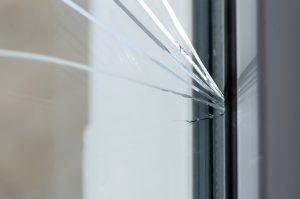
If a recent storm left cracks or chips, quick window repair prevents further damage and helps maintain insulation performance.
When to Repair and When to Replace
This is one of the most common questions we hear.
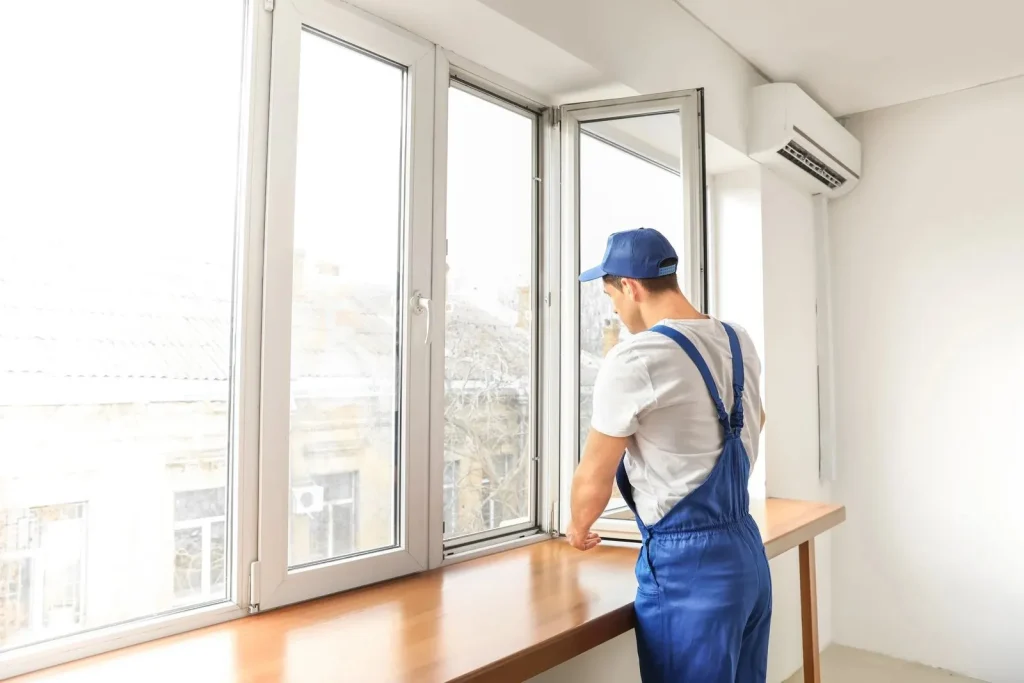
If the issue is minor, such as a small crack or hardware problem, window repair is often enough. It restores function without replacing the entire unit.
But if you notice:
- Persistent drafts
- Condensation between panes
- Rising energy bills
- Difficulty opening or closing windows
- Visible frame damage
Then full window replacement usually provides better long-term value.
New energy-efficient windows improve comfort, reduce outside noise, and help stabilize indoor temperatures. In Denver’s climate, that consistency makes a big difference.
Choosing the Right Windows for Your Denver Home
There is no single perfect window for every house.
It depends on your home’s age, your budget, and your long-term goals. What matters most is choosing materials and glass options designed for Colorado weather, then having them installed properly.
At Tried and True Glass, we focus on clear communication and honest pricing. If you are unsure whether you need window repair or full window replacement, we will walk you through your options so you can make a confident decision.
If you are thinking about upgrading to energy-efficient windows in Denver, schedule an estimate or request a no-obligation quote. We are here to help you choose windows that make sense for your home and for Colorado’s unpredictable weather.